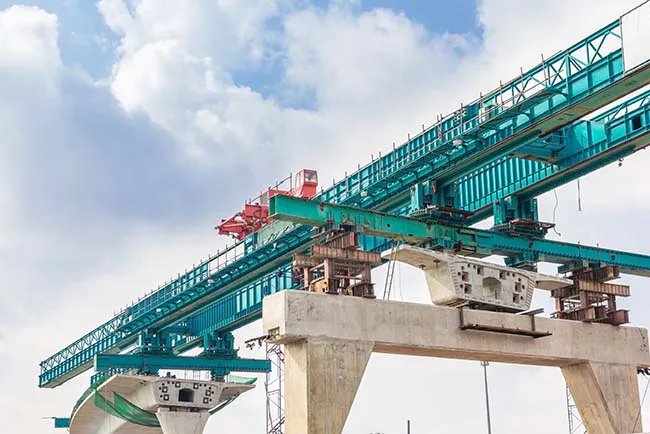




African nations need more infrastructure like roads, ports, and power supply, which challenges engineering firms. This also affects the transportation of goods and services, making engineering projects less efficient and cost-effective.

The shortage of skilled engineering professionals poses a significant challenge in Africa. Numerous countries struggle to produce a sufficient number of qualified engineers to satisfy the demands of the industry. This gap in the skilled workforce results in a dependence on foreign expertise, which drives up costs and hinders the development of local capabilities.

Financing is crucial for engineering businesses undertaking large-scale projects. Engineering businesses in Africa need help obtaining affordable funding as their projects are perceived as risky, hindering their ability to expand and grow.

Political instability, corruption, and inconsistent regulations challenge African engineering businesses. Ambiguous rules and bureaucratic hurdles create uncertainties, hindering growth and deterring foreign investment.

Africa's lower adoption of advanced technologies and engineering practices reduces engineering business efficiency, productivity, and competitiveness. Lack of access to modern tools, equipment, and software hinders innovation and slows project completion.

Effective supply chain management is essential for engineering projects in Africa. However, poor logistics infrastructure, a shortage of local suppliers, and ineffective procurement processes can lead to delays, increased costs, and quality problems. These issues can adversely affect the overall profitability and success of engineering firms.

The markets in Africa are diverse, with different regulations, cultures, and economies. This fragmentation can be a challenge for engineering businesses that operate in multiple countries. They have to deal with various legal systems, language barriers, and market dynamics, which can increase operational complexities and costs.

Environmental sustainability is essential in engineering, but compliance with regulations in Africa can be inconsistent, hindering firms from meeting sustainability benchmarks and attracting eco-conscious customers.